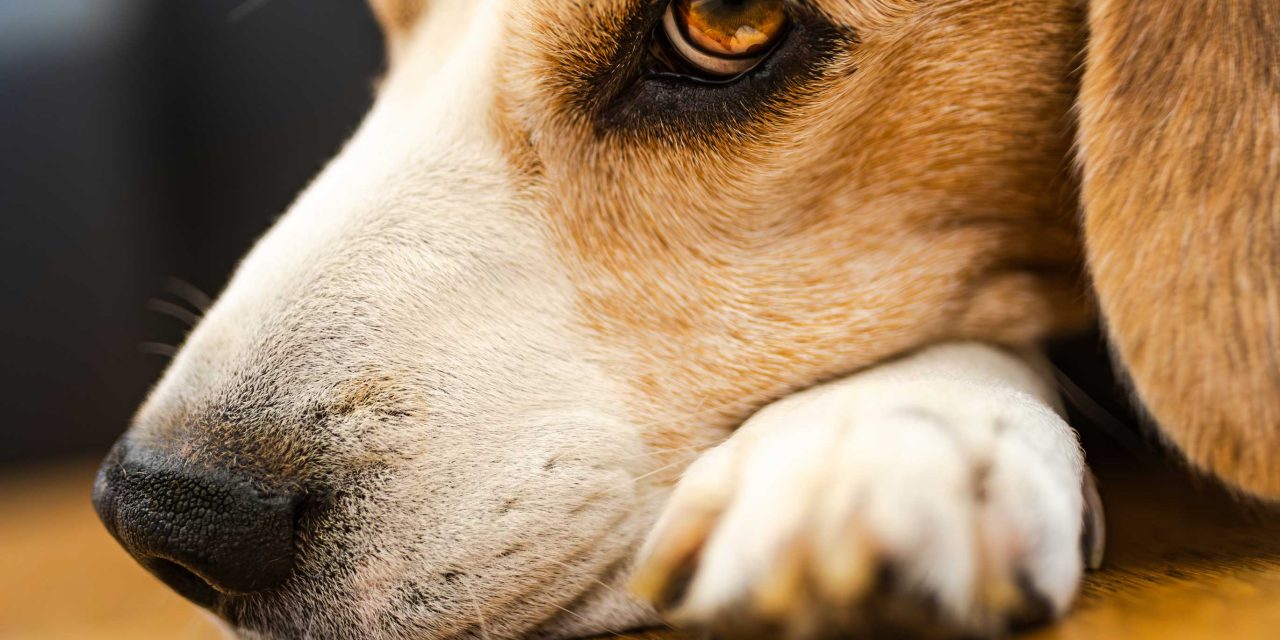
Understanding the In-Home Euthanasia Process
In-home pet euthanasia is a compassionate option that allows pet owners to say goodbye to their beloved animals in the comfort of their own home. This process typically involves a licensed veterinarian administering a sedative to help the pet relax, followed by an injection that gently and peacefully ends the pet's life.
During this emotional time, veterinarians often provide guidance on what to expect and how to prepare for the visit. Owners can create a peaceful environment, surrounded by family and familiar objects, which can significantly ease the stress for both the pet and the owner. This personalized approach helps ensure a dignified farewell.
Benefits of Choosing In-Home Euthanasia
Choosing in-home euthanasia offers several benefits that can make a difficult decision a little easier for pet owners. One of the primary advantages is the ability to keep pets in a familiar and comfortable environment, reducing anxiety for both the pet and the family during this challenging time.
Additionally, in-home euthanasia allows for a more private and intimate experience, enabling families to grieve without the stress of a clinical setting. Many owners report feeling more at peace knowing they provided their pets with a gentle and loving send-off, surrounded by their favorite people.
What to Expect During the Appointment
When scheduling an in-home euthanasia appointment, pet owners can expect a compassionate and professional approach from the veterinarian. The veterinarian will arrive at the scheduled time, discuss the process, and answer any questions the family may have, ensuring everyone is comfortable with the steps ahead.
The appointment typically lasts about an hour, allowing families to spend quality time with their pet before and after the procedure. Veterinarians often provide resources for aftercare, such as cremation options or memorial services, helping families navigate the next steps in their grieving process.
Supporting Your Grieving Process
Grieving the loss of a pet is a deeply personal experience, and it is essential to allow oneself the time and space to mourn. Many families find it helpful to talk about their feelings with friends, family, or support groups who understand the bond shared with their pets.
Additionally, creating memorials, such as photo albums or planting a tree in memory of the pet, can provide comfort. Resources such as pet loss hotlines and counseling services are also available to help families cope with their loss and find healing in their own time.